The Business of Being a Fan: What Korean Esports Gets Right About Sponsorships That the West Is Still Missing
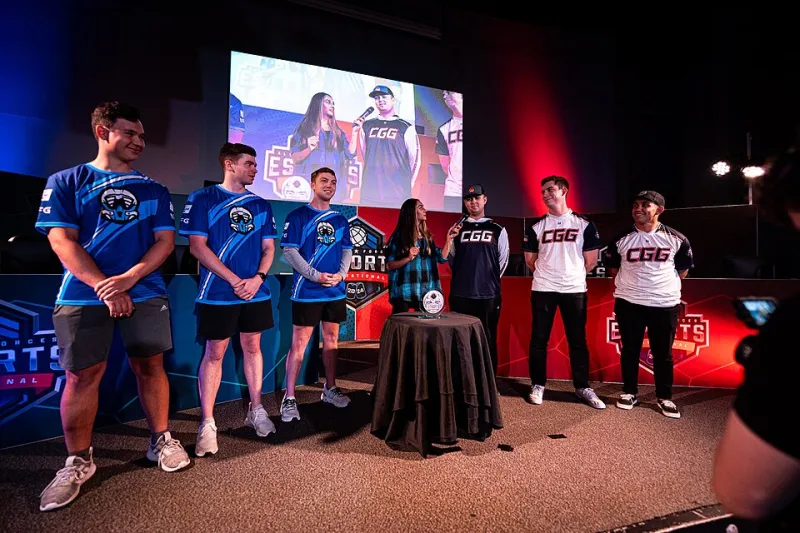
Photo: U.S. Coast Guard USCGRC by Petty Officer 2nd Class Jasmine Mieszala, Public domain, via Wikimedia Commons
Let's talk money. Specifically, let's talk about why Korean esports organizations seem to have figured out how to actually make money from their fans in a sustainable way while a lot of Western teams are still piecing together revenue models that feel more like experiments than strategies.
This isn't a knock on NA or European esports — there's genuine creativity happening in Western markets. But if you look at the commercial infrastructure Korean teams have built over the last decade, there are some real lessons that American franchise owners and team operators would do well to study.
Corporate Korea Was Already There
The starting point matters. Korean esports didn't grow up the same way Western competitive gaming did. Where NA and EU scenes emerged largely from grassroots communities and indie tournament organizers, Korean esports was adopted early by major conglomerates — Samsung, SK Telecom, KT, Hyundai — who brought corporate infrastructure with them from the start.
That corporate DNA shaped everything. Korean esports teams learned to operate with actual business departments, dedicated sponsorship teams, and marketing budgets that reflected the seriousness with which their parent companies treated brand investment. When SKT ran a League of Legends team, it wasn't a passion project. It was a marketing vehicle for one of Korea's largest telecommunications companies, and it was managed accordingly.
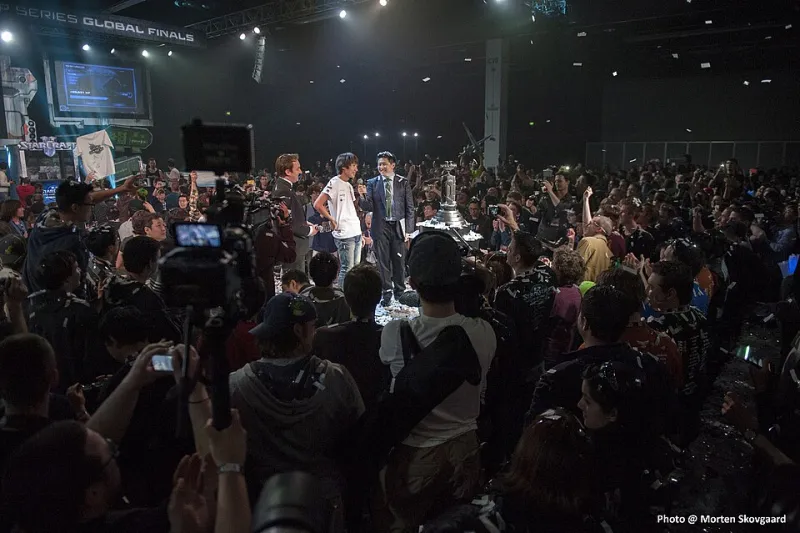
That level of corporate buy-in created something important: a proof of concept that other brands could see and evaluate. When Samsung's teams won world championships, Samsung's brand was literally on the trophy. That's a sponsorship outcome that any CMO can understand and defend to a board.
The Fan Ecosystem Is the Product
Here's where Korean teams get genuinely creative. The sponsorship model isn't just about slapping a logo on a jersey and calling it a day. Korean orgs have developed fan ecosystems that give sponsors multiple meaningful touchpoints — and fans multiple reasons to engage with those brands.
Take the merchandise side. Korean team merchandise tends to be genuinely good. Not just 'esports team logo on a t-shirt' good, but actual fashion-adjacent streetwear collaborations, limited drops that create real scarcity, and official team goods that fans want to wear outside the context of watching matches. T1's collaborations have attracted attention from fashion communities that have zero interest in League of Legends. That crossover is valuable — and it's valuable to sponsors because it extends the reach of the brand association beyond just the gaming audience.
Seasonal content packages, fan club memberships with tiered benefits, official light stick programs (borrowed directly from K-pop's playbook) — Korean orgs treat fandom as a product to be designed, not just an audience to be monetized.
The K-Pop Playbook, Translated
It's impossible to talk about Korean esports fan culture without acknowledging how much it borrowed from K-pop's commercial model. The idol industry in Korea is one of the most sophisticated fan monetization systems ever built, and Korean esports orgs have been quietly adapting those strategies for years.
Fan clubs with official registration, exclusive content for members, artist — or in this case, player — centered merchandise that treats individual competitors as personalities with their own brand value rather than just team assets. The way T1 markets Faker isn't fundamentally different from how HYBE markets a solo artist. There's a product, there's a narrative, there's a community built around both.
For sponsors, this is enormously appealing. You're not just buying access to a team's audience. You're buying access to a deeply engaged community that has emotional investment in specific players, specific storylines, and specific moments. That kind of engagement is harder to find and harder to replicate.
What American Teams Are (Slowly) Learning
North American esports franchises have had a complicated few years. The LCS franchising model promised sustainable revenue but has delivered mixed results. Some teams have folded, others have scaled back significantly, and the conversation about what a financially healthy NA esports organization actually looks like is still ongoing.
But some American orgs are paying attention to the Korean model and making smart adaptations. Cloud9 and Team Liquid have both invested more seriously in content ecosystems that keep fans engaged outside of match days — a core principle of the Korean approach. The teams that are surviving the rough patch in NA esports are generally the ones that treated their fan base as a community to be cultivated rather than just a viewership metric to be reported to sponsors.
The merchandise quality gap is closing too. A few NA organizations have started producing limited drops and collaborative pieces that generate genuine hype rather than just serving as afterthoughts in the team store.
The Structural Advantage Korean Teams Still Have
Here's the honest part: some of what Korean teams do well is hard to replicate in the American market without the same underlying corporate structure.
When a Korean conglomerate backs an esports team, the team benefits from established supplier relationships, in-house creative departments, distribution networks, and brand credibility that an independent American esports org simply can't access. The playing field isn't level, and pretending otherwise doesn't help anyone.
What American teams can do is adopt the underlying philosophy: treat the fan relationship as the core asset, build sponsorship packages that give brands meaningful integration rather than surface-level logo placement, and invest in the quality of fan-facing products the way Korean teams do.
Sponsors — whether they're Korean chaebols or American consumer brands — respond to the same thing: evidence that the audience is genuinely engaged and that the brand association will carry real value. Korean esports organizations have been building that evidence base for years. American teams are still catching up, but the gap is narrowing — and the teams studying Seoul's playbook most carefully are the ones closing it fastest.