The Art of the Comeback: How Korean Gaming Culture Turned 'Washed' Into a Starting Line
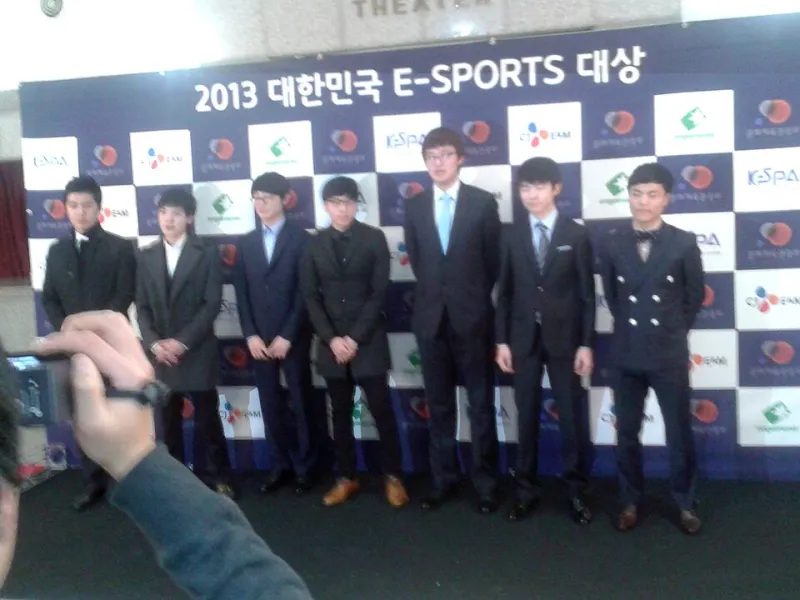
Photo: NeWVisiOn, CC BY 4.0, via Wikimedia Commons
Somewhere in the American gaming internet, there's an unwritten rule: if you were great once and you're not great now, the kindest thing anyone will do is stop talking about you. Decline is awkward. Washed is an insult. And the idea of following a player through years of struggle toward an uncertain redemption? That's not content — that's a liability.
In Korea, that same player might become the most compelling figure in the scene.
The contrast isn't subtle, and it's not accidental. It reflects something deep about how each culture processes failure, measures worth, and decides who deserves to keep being part of the story. And for anyone who follows Korean esports seriously, understanding that contrast is basically required reading.
What "Washed" Means in Two Different Cultures
In American gaming discourse, being labeled washed carries a kind of finality. It's a verdict. The conversation around a declining player usually shifts quickly from analysis to eulogy — a greatest hits package, some nostalgic clips, maybe a Reddit thread about their legacy. Then silence. The machine moves on to whoever's hot right now.
Korean esports culture has a different vocabulary for the same situation. There's a concept that comes up repeatedly in Korean gaming commentary — roughly translatable as "a player who is not yet finished" — that functions almost as a term of respect rather than a dismissal. The assumption embedded in that framing is that struggle is a phase, not a conclusion. That the work isn't done until the player decides it's done.
This isn't just philosophical hand-waving. It shows up in concrete, observable ways across the Korean esports ecosystem.
The Comeback Documentary as a Genre
Korean esports media has essentially invented a format that barely exists in Western coverage: the extended comeback narrative. Think about Faker's career arc and how Korean media has documented not just his peaks, but his near-losses, his roster changes, his moments of visible frustration. Or consider players like Ambition, who transitioned from a declining solo-laner to a world champion jungler — a story that Korean outlets covered as a genuine human drama over multiple years.
That kind of longitudinal storytelling requires a media ecosystem willing to stay with a player through the ugly middle parts. Korean sports journalism, which treats esports with the same seriousness as traditional athletic competition, has built that infrastructure. The long-form profile, the multi-part documentary series, the in-depth interview that asks hard questions about what went wrong — these are standard tools in Korea. In the US, they're reserved almost exclusively for players who are already winning again.
The result is that Korean fans develop relationships with players that survive bad seasons. American fans tend to develop relationships with winning moments.
Practice Culture and the Permission to Be Bad Temporarily
There's a practical dimension to this too, and it connects to something we've covered on KR2 Forum before: Korean practice culture treats grinding through failure as the method, not a detour from the method. If you genuinely believe that thousands of hours of deliberate, uncomfortable practice is how improvement works — not talent, not inspiration, not a sudden click — then a player struggling publicly is just a player mid-process.
American gaming culture, particularly in the streaming and content creation space, has a complicated relationship with visible struggle. Streamers are expected to perform competence even while learning. Rage-quitting gets more views than quiet, methodical grinding. The content incentives reward peak moments and spectacular failures, not the long boring middle where actual improvement happens.
Korean streaming culture on AfreecaTV and Chzzk isn't immune to spectacle — but there's a meaningful audience for the grind itself. Multi-hour ranked sessions where a player works through something systematically, talks through their reasoning, and improves incrementally over weeks are legitimate content there in a way they often aren't on Twitch.
The Fan Side of the Equation
Fan culture plays a huge role in sustaining comeback narratives, and Korean esports fandom has built structures that make long-term loyalty feel rewarding rather than naive. Fan clubs that persist through roster changes, official team communication channels that keep fans connected during off-seasons, and a culture of supporting players as individuals rather than just as members of a currently-successful roster — all of these create conditions where a player's comeback actually has an audience waiting.
In the US, fan attachment tends to follow the team jersey more than the individual player. When a star leaves a franchise, a significant portion of their fanbase stays with the organization rather than following the player. In Korea, individual player fandoms are robust enough to travel with the person, which means a player making a comeback at a smaller organization still has people genuinely invested in watching them succeed.
What This Means for How We Watch
None of this means Korean gaming culture is perfect, or that it doesn't have its own toxic pressures — the brutal training schedules, the mental health challenges that have become increasingly public, the short career windows that still exist despite the comeback mythology. The redemption narrative is real, but so is the burnout.
What it does mean is that there's a richer emotional vocabulary available to Korean esports fans than to their American counterparts. The story of a player who fell, struggled, and found their way back is considered worth telling in full. That's not a small thing.
Next time you watch an LCK broadcast and the casters spend three minutes on a veteran player's career arc before a match, or when you see a Korean YouTube channel drop a 40-minute documentary about someone who hasn't won a title in two years — that's not filler content. That's the whole point.