From Brood War to the Big Leagues: How Korea Moved On From Starcraft and Built Something Bigger
If you ask any Korean esports veteran about the late 2000s, they'll probably get a little nostalgic. Not in a sad way, exactly — more like the way someone talks about a hometown they grew up in before it got a Starbucks on every corner. Starcraft: Brood War was the heartbeat of Korean competitive gaming for the better part of two decades, and its decline wasn't just a market shift. It was a cultural reckoning.
Understanding why that happened — and what came after — is basically required reading if you want to make sense of the Korean esports ecosystem you're watching right now.
When Starcraft Was Basically a Religion
Let's set the stage. By the mid-2000s, Brood War had its own dedicated cable channels (OGN and MBC Game), its own celebrity athletes, and a fan culture that looked more like K-pop standom than anything Western gaming had produced. Players like Lee "Flash" Young Ho and Lim "Boxer" Yo Hwan were household names. Matches drew live audiences in the thousands. Broadcasters had full commentary teams, post-game analysis segments, and sponsorship deals that rivaled traditional sports.
For US fans discovering this era through YouTube documentaries or old VODs, it genuinely looks like another planet compared to what Western esports looked like at the same time. And honestly? It kind of was.
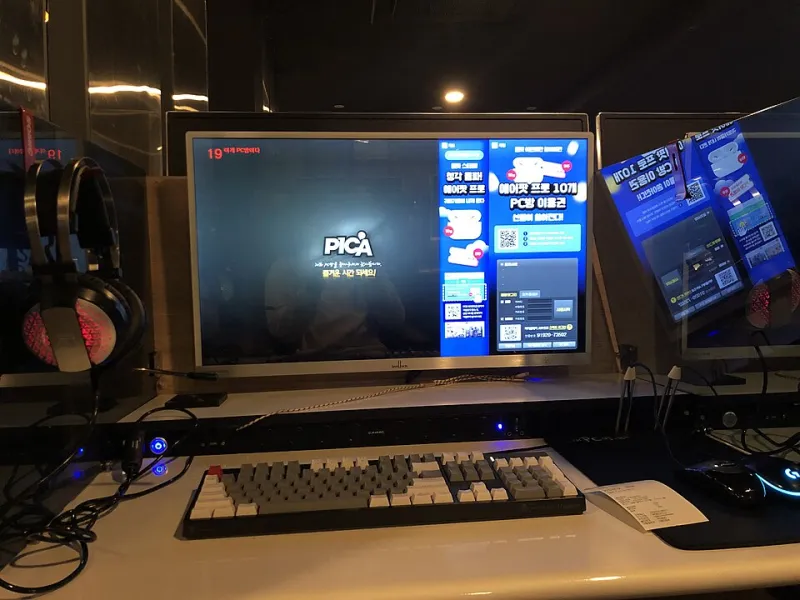
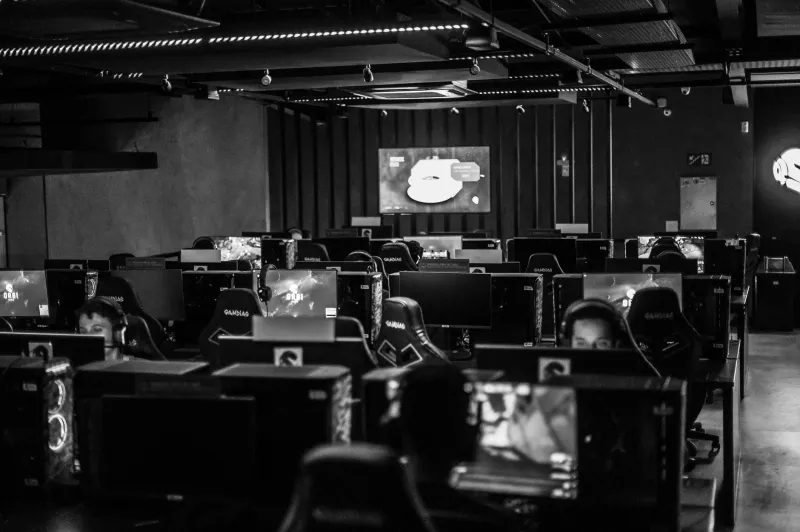
The Korean esports infrastructure — built largely around PC bangs and a broadband penetration rate that left the US in the dust — created conditions where competitive gaming could thrive at a professional level years before the rest of the world caught up.
The Cracks Started From the Inside
The fall didn't come from outside competition. It came from scandal.
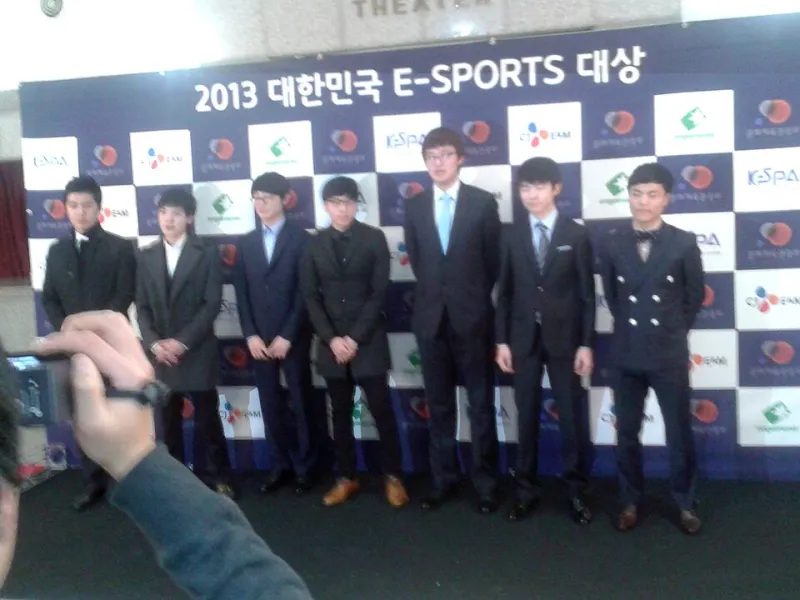
In 2010, a match-fixing investigation rocked the Korean Starcraft scene to its core. Multiple players were implicated, some were banned for life, and the institutional trust that had built up over a decade evaporated almost overnight. The Korean Esports Association (KeSPA) took a serious credibility hit, and the broadcasters who had been the backbone of the pro scene started reconsidering their investment.
"The match-fixing scandal was like finding out the Olympics were rigged," one Korean esports analyst who covered the scene during that period described it. "People didn't stop loving Starcraft. They just stopped believing in the league."
Blizzard's release of Starcraft II in 2010 added another wrinkle. Rather than uniting the scene, it split it. Hardcore Brood War loyalists refused to migrate. Newer players gravitated toward SC2. Neither community was big enough on its own to sustain the infrastructure the old scene had built.
League of Legends Walks In and Changes Everything
Riot Games launched League of Legends in 2009, and by 2012, it was eating Starcraft's lunch in Korean PC bangs. The reasons weren't purely about gameplay. LoL was free-to-play at a time when Starcraft still required a purchase. It was designed for shorter sessions, which fit the PC bang model better. And critically, it was a team game — which opened up roster-based team structures, franchise opportunities, and a different kind of fan loyalty.
KeSPA, recognizing which way the wind was blowing, eventually partnered with Riot to help establish the LCK (League Champions Korea). The same organizational muscle that had built Brood War's infrastructure got redirected into building what would become the most dominant regional league in competitive LoL history.
Korean teams like SKT T1 (now T1) and Samsung White became the new global standard-bearers. Faker replaced Flash as the face of Korean esports excellence. The transition wasn't smooth — there were real growing pains, and plenty of old-school fans felt like something irreplaceable had been lost — but the machine kept running.
Valorant, Mobile, and the Next Wave
Fast forward to the early 2020s, and Korean esports has diversified in ways that would have been hard to predict from the Brood War era. Valorant's global infrastructure gave Korean orgs another top-tier competitive outlet. PUBG had a massive moment. And mobile gaming — particularly titles like PUBG Mobile and Honor of Kings — started commanding serious competitive attention in ways that US esports culture still hasn't fully processed.
The mobile shift is especially significant for understanding where Korean gaming culture is heading. In the US, mobile gaming still carries a stigma in core gaming communities. In Korea, that stigma barely exists. Competitive mobile titles draw real prize pools and real fanbases, and some of the country's most talented young players are building careers entirely on mobile platforms.
What This Means for US Fans Watching Today
If you've ever wondered why Korean teams seem to have a different competitive philosophy than their Western counterparts — more disciplined, more structured, more willing to sacrifice individual flashiness for team cohesion — a lot of that traces back to this history. The Brood War era built an esports culture that valued craft and preparation above everything else. That DNA didn't disappear when the game changed.
The players and coaches who came up watching Flash and Boxer didn't forget what they learned. They just applied it to new games.
The Korean esports golden age didn't end. It evolved. And if you're watching T1 run through international brackets or following a Korean Valorant roster dismantle a Western team, you're watching the same competitive tradition that was forged in those smoky PC bangs two decades ago — just wearing different jerseys.
The game changed. The culture? That's still very much intact.