Built Different: Inside the Korean Esports Academy System That's Leaving the West in the Dust
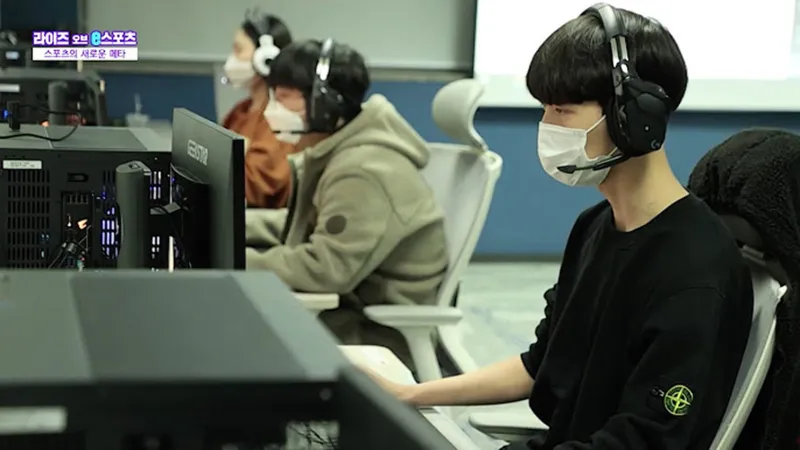
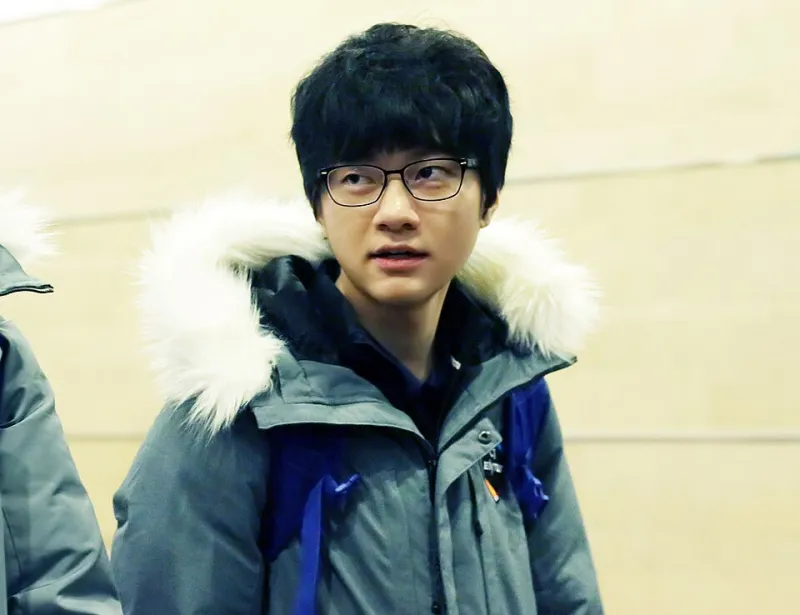
Photo: young Korean esports players training academy team practice, via skillbox.ru
Every time a Korean player shows up on an NA roster and immediately looks like the smartest person in the room, the conversation follows a predictable path. Fans marvel at the mechanics. Analysts talk about game sense. Someone inevitably brings up "Korean bootcamp culture" as a vague explanation for why the gap exists.
But the real answer isn't bootcamp intensity. It's infrastructure. Specifically, it's a youth development pipeline that Korea started building in the early 2010s while NA esports was still trying to figure out whether organizations should pay their players at all.
The Korean esports academy system is one of the most sophisticated talent development structures in any competitive field — not just gaming. And understanding how it actually works explains a lot about why the talent gap between Korean and Western esports has been so persistent, and why the American attempts to close it keep coming up short.
What an Esports Academy in Korea Actually Looks Like
When Korean esports organizations talk about their academies, they're not describing a practice server and a shared house. They're describing multi-year development programs with structured curricula, dedicated coaching staffs, education partnerships, and defined pathways from trainee to professional roster.
T1, Gen.G, and KT Rolster all run youth development programs that identify players as young as their early teens. From there, the pipeline involves scheduled practice blocks, film study, individual skill coaching, and regular evaluation against defined performance benchmarks. Players aren't just grinding ranked games — they're being taught how to improve, which is a meaningfully different thing.
The education component is something that often gets overlooked in Western coverage of these systems. Korean esports academies, particularly those affiliated with organizations that have university partnerships, work to ensure that academy players aren't sacrificing their educational futures on a bet that doesn't pay off. This matters both ethically and practically — it means families are more willing to allow young players to enter these programs, which expands the talent pool the organizations can draw from.
Scouting at a Scale NA Can't Match
Korea's youth esports infrastructure starts before the academies even get involved. Age-group competitions — structured tournaments specifically for players under 18 — run regularly and are actively scouted by organizational staff. This means the identification of exceptional talent happens systematically rather than by accident.
In NA, the dominant discovery mechanism has historically been ranked ladder performance. A player climbs high enough, gets noticed by a streamer or a content creator, and eventually someone from an org slides into their DMs. It works occasionally, but it's not a system — it's luck with extra steps.
Korean organizations are actively looking for specific traits in young players: not just mechanical skill, but coachability, communication habits, and the psychological profile of someone who can handle the pressure of competitive play long-term. They're evaluating these things at 14 and 15 years old, which gives them years to develop players against a clear model before those players ever touch a professional stage.
The Mental Performance Layer Nobody Talks About Enough
One of the most underreported aspects of Korean esports academies is the investment in psychological coaching and mental performance support. Major Korean organizations employ sports psychologists or mental performance consultants who work specifically with academy players.
This isn't therapy in the clinical sense — though that support exists too — it's performance psychology applied to competitive gaming. Visualization techniques. Tilt management. Pre-competition routines. The mental skills that separate players who can perform under pressure from players who fall apart when it matters.
Western esports is slowly waking up to this. A handful of NA and EU organizations have hired mental performance coaches in recent years, and the public conversation around player mental health in esports has grown significantly. But Korean organizations have been systematically embedding this support into their academy structures for years, not as a reaction to a player having a public breakdown, but as a standard part of the development process.
The difference between a reactive approach and a proactive one compounds over time. Players who have been building mental performance skills since they were 15 are simply better equipped than players who encounter these concepts for the first time as professionals.
Why Western Orgs Are Playing Catch-Up
NA esports organizations have started building academy systems — League of Legends Championship Series (LCS) teams are required to field Academy League rosters, which created at least a structural reason to develop younger players. But the LCS Academy League and what Korean organizations run are not the same thing, and it's worth being honest about that gap.
The LCS Academy structure creates roster slots. It doesn't automatically create development infrastructure. Many NA academy teams are essentially holding pens for players who are either on their way up or on their way out, with inconsistent coaching quality and limited investment in the long-term development of individual players.
The reasons for this are partly financial — building a genuine development academy costs money that NA orgs have historically struggled to justify to investors — and partly cultural. NA esports culture has leaned heavily on the idea of the self-made player, the grinder who climbed the ladder alone. That narrative is compelling, but it's not a talent development strategy.
The Gen.G Model and What It's Teaching NA Orgs
Gen.G is one of the more interesting case studies here because the organization operates across both Korean and North American markets and has been deliberately trying to bridge the development gap. Their investments in youth esports, including partnerships with American high schools and collegiate programs, represent a genuine attempt to transplant some of the Korean development philosophy into a US context.
It's early, and it's not a perfect translation. The cultural and institutional context that makes the Korean system work — the university partnerships, the age-group tournament infrastructure, the social legitimacy of esports as a career path — doesn't fully exist in the US yet. But Gen.G's approach at least acknowledges that you can't just copy the surface features of a system without building the underlying culture that supports it.
Other NA organizations are watching. Whether they're willing to make the long-term investment that genuine talent development requires is a different question.
What Fans Should Take From This
If you're an NA esports fan who's frustrated by the persistent talent gap between Korean and Western players, the academy system is a big part of the explanation. The gap isn't about work ethic or raw talent — it's about the fact that Korea has been systematically building players for over a decade using methods that NA is only now starting to adopt.
That's not a reason to be pessimistic about the future of NA esports. But it is a reason to be realistic about the timeline. Building a genuine talent pipeline takes years, not seasons. The organizations that are investing seriously in youth development right now are planting seeds that might not fully bloom for another five or ten years.
Korea didn't build its system overnight either. It just had the foresight to start building it a long time ago.