Same Platform, Different Universe: The Real Reason Korean Streamers Aren't Playing by Twitch's Rules
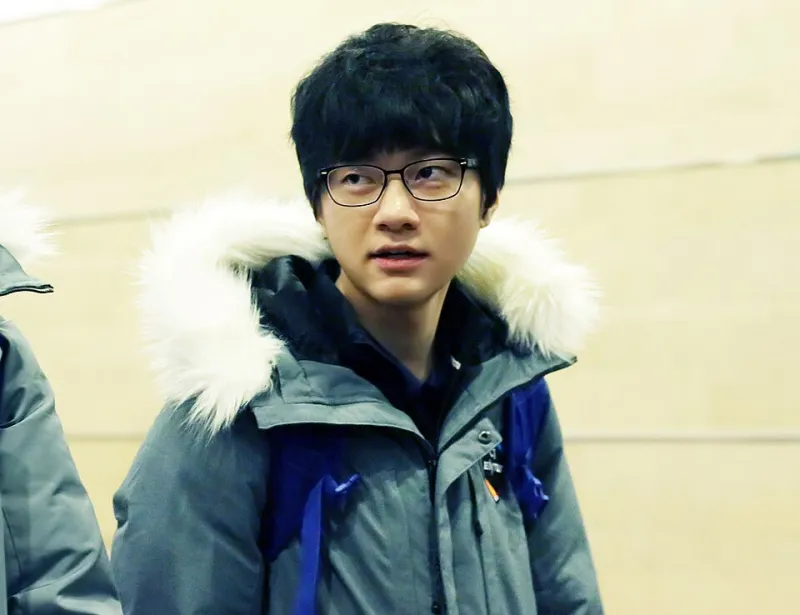
Photo: TOPCLASS, CC BY 4.0, via Wikimedia Commons
Pull up any top Korean streamer's broadcast on a Tuesday night and then immediately flip to a comparable American streamer. Same platform, same basic interface, theoretically the same audience pool. But spend twenty minutes in each chat and you'll feel like you've crossed into a completely different country — because in a lot of ways, you have.
Korean streaming culture has developed along its own axis for years, shaped by platforms, audience expectations, and a gaming culture that was already mature and deeply opinionated before Twitch even existed. The result is a streaming ecosystem that coexists with Western content without really converging with it. And for the American fans and industry observers trying to understand why, the answer is more layered than most people expect.
The Platform History You Need to Know
To understand where Korean streaming is now, you have to go back to AfreecaTV. Before Twitch was a household name in gaming circles, AfreecaTV was the dominant streaming platform in South Korea — and it had been since the mid-2000s. Korean viewers grew up watching their favorite streamers (called BJs, short for Broadcasting Jockeys) on AfreecaTV, and that platform built specific habits and expectations that didn't just disappear when Twitch arrived.
AfreecaTV's monetization model, for example, leaned heavily on virtual gifting — viewers would send digital items called "Star Balloons" that translated directly into real money for streamers. The relationship between streamer and audience was transactional but also intensely personal. BJs would acknowledge donors by name, react in real time, and build what felt like genuine ongoing relationships with regular viewers. The chat wasn't a firehose. It was a conversation.
That model shaped expectations in ways that American Twitch culture never quite replicated at scale. When Korean streamers did migrate to Twitch — or when AfreecaTV's successor platforms like SOOP (formerly AfreecaTV, rebranded in 2024) started competing directly — they brought those audience expectations with them.
The Moderation Gap
One of the sharpest differences between Korean and Western streaming culture is how content moderation actually works in practice. Korean streaming communities tend to be more tightly managed, with active moderators who enforce community norms aggressively — and audiences that largely expect and accept that. Certain kinds of toxicity that American Twitch chat has essentially normalized are not tolerated in the same way in Korean streams.
This isn't purely cultural, though culture is part of it. It's also structural. Smaller, more cohesive chat communities are easier to moderate. And Korean streaming culture has historically prized the idea of the chat as a community space rather than an anonymous free-for-all. Regular viewers have established identities. They've been around. They have a reputation to protect.
For American fans trying to participate in Korean streaming spaces — even in English — this can be a genuine culture shock. The rules are different, the expectations are different, and the tolerance for certain kinds of behavior is significantly lower. Some American fans find it refreshing. Others find it unwelcoming. Both reactions make sense.
Audience Expectations and Content Style
Korean streamers also just do different stuff. Not entirely different — gaming is gaming — but the content format and pacing tend to diverge from what American audiences are used to. Long-form variety content is common, where a single stream might move between multiple games, conversation segments, cooking, and viewer interaction in ways that feel less structured than the typical American gaming stream.
There's also a different relationship to "going viral." American streaming culture has become increasingly clip-driven, with streamers and their teams actively optimizing for moments that will pop on Twitter or TikTok. Korean streaming culture has been slower to make that pivot, partly because the domestic audience is large enough to sustain big streamers without requiring international virality, and partly because the culture values the stream itself — the live experience — more than the clipped highlight.
This is changing. Korean streamers with international ambitions are absolutely thinking about clips and global reach. But the core audience still expects the full broadcast to be the main event.
The Monetization Divergence
Twitch's subscription and bits model is the default for American streamers, and most viewers understand how it works. Korean streaming platforms have historically offered more diverse monetization options — virtual gifts, paid fan communities, platform-specific subscription tiers — and the culture around spending is different too.
Korean audiences are often more willing to spend smaller amounts more frequently rather than committing to a monthly subscription. The gifting culture feels more spontaneous and celebratory. A viewer might send a gift because the streamer just made a great play, not because they want a monthly subscription badge. That's a fundamentally different emotional transaction.
For platforms trying to serve both Korean and Western audiences simultaneously, this creates real product challenges. Twitch has never fully cracked the Korean market, and SOOP/AfreecaTV has never made serious inroads in the US. The audiences have different habits baked in at a deep level.
Will It Ever Converge?
The honest answer is: partially, and slowly. Korean streamers with genuine international audiences — and there are more of them every year — are adapting their content in real time. English-language segments, international collaborations, and clip-friendly moments are becoming more common. The influence goes both ways, too; some American streamers have clearly studied Korean streaming formats and borrowed from them.
But full convergence? That seems unlikely, and maybe not even desirable. Korean streaming culture has qualities that its audience genuinely values — the community feel, the moderation standards, the live-first philosophy — and there's no obvious reason to abandon those just to better resemble Twitch. The platforms are competing for the same creators and audiences in some respects, but Korean streaming culture has enough of its own foundation to stay standing on its own terms.
For American fans of K-gaming, the best move is probably the same one that works everywhere in this space: learn the local norms, respect the community, and stop expecting everything to work like it does back home.