The PC Bang Blueprint: How Korea Accidentally Invented Modern Esports
If you've ever watched a League of Legends World Championship or caught a StarCraft II grand final, you've witnessed something that traces its DNA back to a very specific place and time — South Korea in the late 1990s. Not a stadium. Not a corporate boardroom. A PC bang.
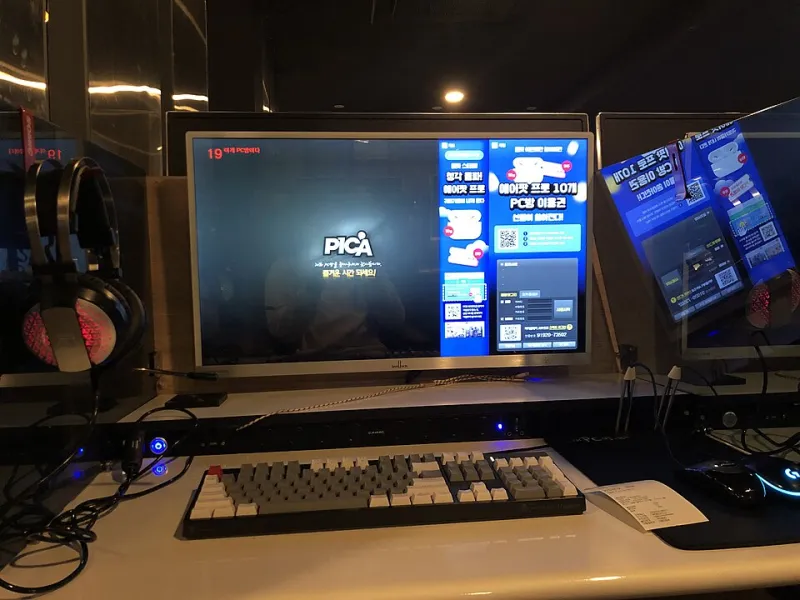
For those unfamiliar, PC bangs (방) are Korean internet cafes, but calling them just "internet cafes" is like calling the Grand Canyon a ditch. These places were — and still are — social hubs, training grounds, and cultural institutions rolled into one. For around 1,000 Korean won per hour (less than a dollar), you could sit down at a high-spec machine, load up whatever game you wanted, and play for as long as you could stay awake. And Korean teenagers? They stayed awake for a very long time.
The Perfect Storm: Economic Crisis and Cheap Gaming
Here's a detail a lot of Western esports coverage glosses over: the PC bang explosion didn't happen in a vacuum. It happened right after the 1997 Asian financial crisis, which hit South Korea brutally hard. Unemployment spiked, disposable income cratered, and a lot of young people suddenly had a lot of free time and very little money.
PC bangs offered an affordable escape. The Korean government had also invested heavily in broadband infrastructure throughout the late '90s, meaning these cafes could offer genuinely fast internet connections at a time when most American households were still wrestling with dial-up. StarCraft, released in 1998, arrived at exactly the right moment into this ecosystem, and the game spread through PC bangs like wildfire.
What happened next wasn't planned by any game developer or marketing team. Players started getting insanely good. Like, incomprehensibly good. The sheer volume of hours logged in these cafes compressed skill development in a way that just wasn't happening anywhere else in the world.
When the Crowd Showed Up
By the early 2000s, something remarkable was happening. People were gathering around certain PC bang stations not to play, but to watch. Skilled players drew audiences. Local rivalries formed. And Korean cable television — specifically a channel called OGN (OnGameNet) — noticed.
OGN began broadcasting StarCraft matches in 2000, and the ratings were legitimate. This wasn't a niche curiosity; it was prime-time content. Players became celebrities. Names like Lim Yo-Hwan (SlayerS_BoxeR) and Lee Yun-Yeol (NaDa) had fan clubs, magazine spreads, and screaming live audiences. Korea had essentially created professional gaming as a spectator sport before the rest of the world even understood that was a thing you could do.
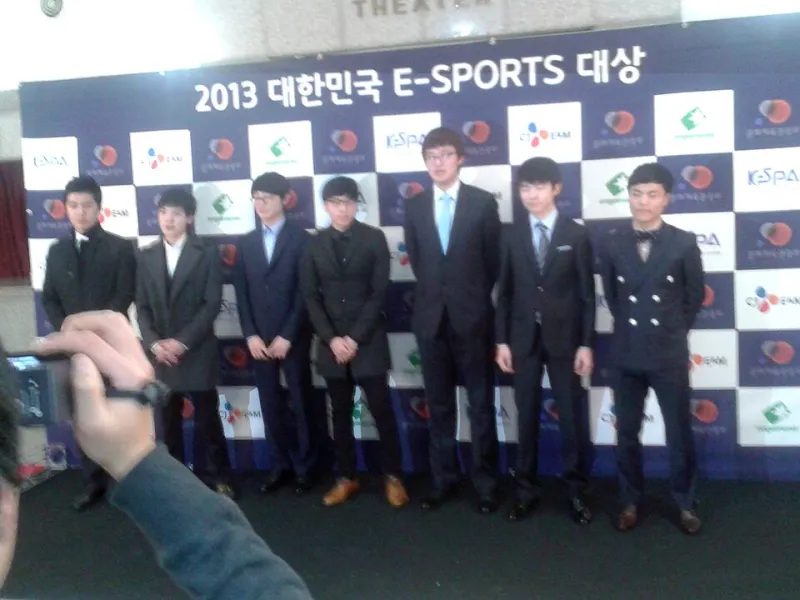
The infrastructure that grew around this was sophisticated. Teams formed with actual management structures. Practice houses emerged where players lived and trained together — a model that would later become the standard for esports organizations globally. There were contracts, salaries, and sponsorships. The Kespa (Korea e-Sports Association), established in 2000, gave the whole ecosystem an official governing body. While American gamers were still arguing in forums about whether video games could ever be a "real sport," Korea had already built the league, the broadcast rights, and the merchandise.
The Export of Excellence
Fast forward to the mid-2000s and into the 2010s, and Korean players began appearing in international competitions — and winning. Dominantly. The reason wasn't mysterious once you understood the backstory. Korean players had thousands more hours of high-pressure, competitive play under their belts. They had coaching structures, team houses, and a culture that treated gaming as a legitimate profession worthy of serious dedication.
When League of Legends exploded globally and Riot Games established the World Championship in 2011, Korean teams didn't just compete — they redefined what competitive play looked like. SKT T1, Samsung, KT Rolster — these organizations set strategic and mechanical standards that forced every other region to adapt or fall behind. The "Korean meta" became a real phrase that Western analysts used to describe whatever approach the top Korean teams were pioneering.
Even in games where Korea doesn't dominate outright, the Korean competitive model has been adopted wholesale. Team houses? Korean export. Dedicated coaching staffs? Korean export. Structured practice regimens with video review? Korean export. The vocabulary and infrastructure of modern esports is essentially a translation of what PC bangs and OGN quietly built over a decade.
What This Means for Today's Fans
Understanding this history changes how you watch esports. When you see a Korean player make an impossibly precise mechanical play, or a Korean team execute a strategy that looks like it was rehearsed a thousand times — it probably was. The culture of deliberate, intensive practice that PC bangs fostered hasn't gone away; it's been formalized and professionalized.
It also explains why Korean esports organizations carry such weight in international competition. T1 isn't just a team — it's the product of a society that decided competitive gaming deserved real investment and real respect decades before the rest of the world caught up.
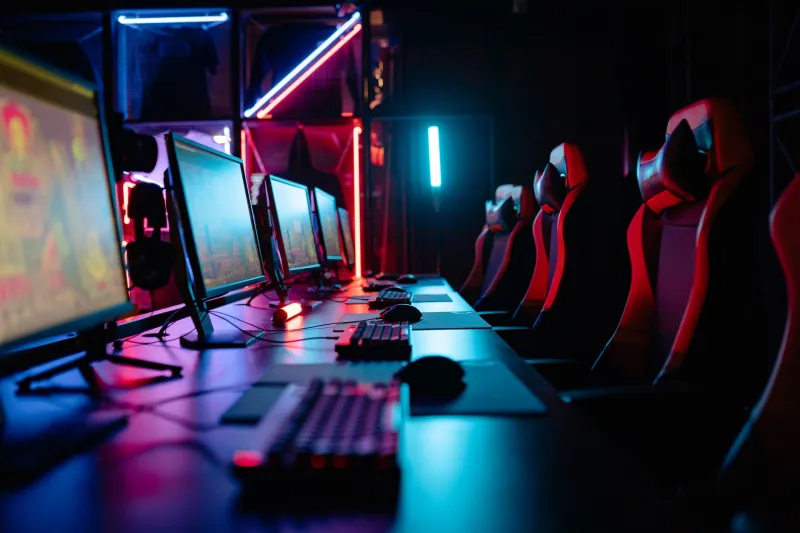
The next time you're watching Worlds or a major StarCraft event, spare a thought for those cramped, neon-lit rooms full of teenagers grinding late into the night. They didn't know they were building an industry. They were just trying to get better at the game.
And honestly? That's kind of the most Korean esports story there is.