You're Rooting for the Wrong Teams: A US Fan's Starter Guide to Korean Esports
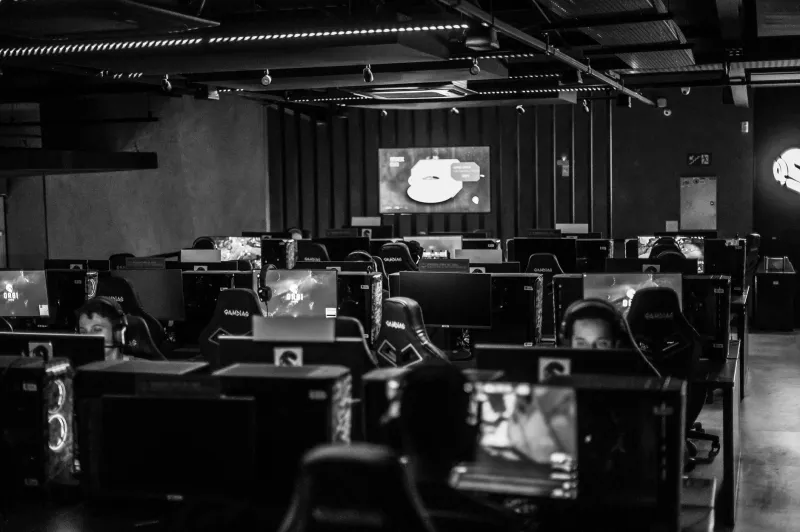
Let me paint you a picture. It's 2 AM on a Saturday. You've got your laptop open, a bag of chips you definitely shouldn't be eating this late, and you're watching T1 dismantle a European team with the kind of calm, methodical precision that makes it look almost unfair. The Korean commentary is going absolutely wild. The crowd in Seoul is losing their minds. And you — sitting in your apartment in Columbus or Austin or wherever — are completely locked in.
That's the Korean esports experience. And if you haven't had it yet, this guide is your entry point.
Why Korean Teams Still Run the Show
Let's get the obvious question out of the way: do Korean teams still dominate? The answer is complicated but leans heavily toward yes. In League of Legends, T1 has been the defining organization of the Worlds era. In VALORANT, Korean teams have become increasingly formidable on the international stage. In StarCraft II, Korean players occupy the top of rankings with a consistency that borders on absurd.
The dominance isn't just about individual skill — though Korean players tend to have that in abundance. It's about organizational culture, practice infrastructure, and a competitive ecosystem that has been refining itself for over two decades. When you watch a Korean team play, you're often watching the product of a system that takes competitive gaming more seriously than anywhere else in the world.
But here's the thing: American fandom hasn't caught up. Cloud9, Team Liquid, 100 Thieves — these get the merch sales, the Reddit threads, the Twitter discourse. Korean organizations, despite winning more, get a fraction of the Western attention. That's a gap worth closing.
Getting to Know the Major Players
T1 is the obvious starting point. Originally known as SKT T1, this organization is the New York Yankees of Korean esports — storied, polarizing, and impossible to ignore. Their League of Legends roster, built around Faker (possibly the greatest esports player of any game, ever), has won four World Championships. Faker alone is worth following. The man has been competing at the highest level for over a decade and still finds ways to surprise people.
DRX (formerly known by a few different names) is T1's narrative foil — the scrappy challenger. Their 2022 Worlds run, where they came through the lower bracket to win the whole thing, is one of the great sports stories of recent memory regardless of what genre you're talking about. If you like underdog stories, DRX is your team.
Gen.G has become increasingly powerful and tends to attract players with incredible individual talent. They're a bit more corporate in their presentation, but the in-game product is consistently elite.
Hanwha Life Esports and KT Rolster round out a competitive LCK (League Champions Korea) field that, on its worst day, is more competitive than most other regions on their best.
Beyond League, organizations like Team NV in StarCraft and various Korean rosters in VALORANT's VCT Pacific league are worth your attention.
Solving the Timezone Problem
This is the real barrier for most US fans, and there's no sugarcoating it: Korean esports runs on Korean Standard Time, which is 13-14 hours ahead of Eastern Time depending on the season. LCK matches typically start in the late morning or early afternoon in Korea, which means early morning or the middle of the night for US viewers.
Here's how to work around it:
- VOD culture is your friend. The LCK's official YouTube channel uploads full match VODs quickly after broadcast. Results spoilers are the enemy here, so mute keywords on Twitter if you want the live experience without the live timing.
- Weekend matches are more manageable. A match starting at noon in Seoul on a Saturday hits at 10-11 PM Friday night on the East Coast — late, but doable.
- Clip communities on Reddit (r/leagueoflegends, r/starcraft) curate highlight moments that let you stay connected to the storylines even if you can't watch live.
Breaking the Language Barrier
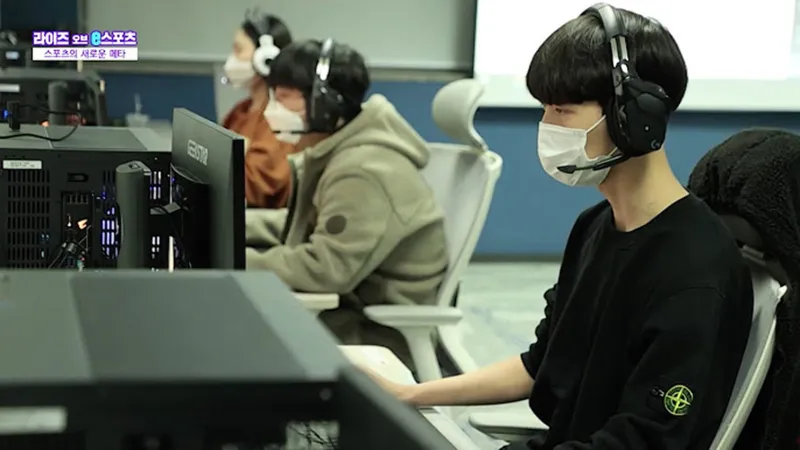
Korean broadcasts are genuinely great television — high production value, passionate casters, and a studio show culture that treats esports with the same seriousness as traditional sports commentary. Even if you don't speak Korean, the energy is infectious.
For those who want more:
- LoL Esports streams LCK matches with English commentary directly on their platform and Twitch channel. The coverage has improved significantly in recent years.
- Korean caster clips with subtitles circulate constantly on YouTube and social media. Following accounts that specialize in K-esports translation (several exist on Twitter/X) fills in a lot of gaps.
- Player social media — many Korean players maintain Instagram or Twitter accounts that post in Korean but are easy enough to follow with auto-translation. Faker's social presence is relatively modest, which somehow makes every post feel like an event.
The Personalities Are the Point
Here's what American fans who haven't engaged with Korean esports are missing: the personalities are extraordinary. The Korean esports scene produces characters that rival anything in traditional sports.
Faker's quiet, almost monk-like dedication to the game is compelling in a way that's hard to explain until you've watched him for a while. Showmaker (currently on DRX's roster) plays with an aggression and flair that makes him must-watch. The coaching dynamics, the roster shuffles, the inter-team rivalries — all of it plays out with the drama of a good sports soap opera, and you don't need to understand Korean to feel the stakes.
How to Actually Support These Teams
Beyond watching, there are real ways to put your money and attention where it counts:
- Official merchandise from T1, Gen.G, and DRX ships internationally. The quality is genuinely solid and you'll be one of the few people at your local watch party repping something other than a North American org.
- Twitch subscriptions to Korean player streams support them directly. Many top Korean players stream on Afreeca TV (now SOOP) or Twitch.
- Engage with the content. Like, share, and comment on Korean esports content to signal to algorithms that this stuff has an audience outside Korea. It sounds small, but it matters for how platforms prioritize coverage.
Korean esports doesn't need American validation to thrive — the scene is doing just fine, thank you. But for US fans, engaging with it opens up a genuinely richer competitive gaming experience. The history is deeper, the play is sharper, and the storylines hit different when you actually know who the players are.
So set an alarm, find a VOD, and welcome to the right side of esports fandom.